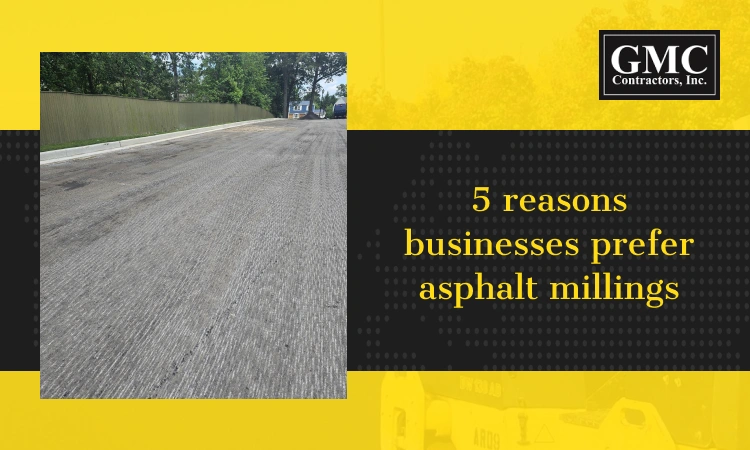
Choosing the right material for your driveway or private road can make a major difference in durability, maintenance, appearance, and long-term cost. When comparing asphalt millings vs gravel, property owners often seek a practical, affordable surface solution that delivers long-term performance. While gravel has been a traditional option for years, more homeowners and businesses are now turning to asphalt millings for their durability, stability, and overall value.
Asphalt millings are recycled asphalt materials created when old asphalt surfaces are removed during resurfacing projects. These recycled pieces are crushed and reused to create strong and compact surfaces for driveways, parking areas, farm roads, and private lanes. Understanding the benefits of asphalt millings can help you decide whether they are the right fit for your property.
What are asphalt millings?
Asphalt millings are produced when existing asphalt pavement is ground down during road repairs or reconstruction projects. Instead of sending old asphalt to landfills, contractors recycle it for reuse. The recycled asphalt still contains traces of oil and binding agents, allowing it to compact into a firm surface over time.
An asphalt-millings driveway provides a more solid, stable appearance than loose gravel while remaining cost-effective. Because the material is recycled, it also appeals to property owners looking for environmentally responsible solutions.
Why more property owners are choosing asphalt millings
When evaluating asphalt millings vs gravel, it is important to consider more than just the upfront price. Surface stability, maintenance requirements, appearance, and long-term performance all play a major role in determining which option delivers the best value.
Here are five major reasons why asphalt millings continue gaining popularity among homeowners and commercial property owners.
1. Asphalt millings create a more stable surface
One of the biggest differences between asphalt millings and gravel is stability. Gravel tends to shift under vehicle traffic, heavy rain, and foot movement. Over time, this movement creates uneven spots, potholes, and scattered loose stones across the property.
Asphalt millings compact tightly together, forming a denser and more durable surface. Once properly installed and compacted, the material locks together better than gravel. This helps reduce tire ruts, loose debris, and uneven driving surfaces.
For homeowners with sloped driveways or frequently used access roads, asphalt millings can provide better traction and a more consistent surface.
2. Lower maintenance requirements
Gravel driveways often require regular maintenance to keep them level and usable. Property owners typically need to:
- Re-spread displaced gravel
- Fill potholes frequently
- Add fresh gravel every few years
- Remove weeds growing through the surface
An asphalt millings driveway generally requires less upkeep. Because the material compacts tightly, it stays in place more effectively than gravel. This means fewer washouts after heavy rain and less material displacement from everyday traffic.
While occasional grading may still be needed, asphalt millings typically require less frequent maintenance than traditional gravel surfaces.
3. Better dust and mud control
Dust control is another major factor when comparing asphalt millings vs gravel. Gravel driveways often generate significant dust during dry weather, especially in high-traffic areas. This dust can settle on vehicles, outdoor furniture, landscaping, and nearby structures.
Asphalt millings help minimize dust because the compacted material binds together more effectively. The remaining asphalt oils in the recycled material help reduce loose particles from becoming airborne.
During wet weather, gravel can also become muddy and difficult to manage. Asphalt millings typically drain well while still maintaining a firmer surface, reducing muddy conditions around the property.
4. Cost-effective and environmentally friendly
One of the most important benefits of asphalt millings is affordability. Asphalt millings are often less expensive than installing brand-new asphalt while providing a more finished appearance than gravel.
Property owners appreciate asphalt millings because they offer a cost-effective surface solution with lower installation and maintenance costs than many traditional paving options. Their long-lasting performance makes them a practical investment for high-traffic areas, and their use of recycled materials makes asphalt millings an environmentally responsible choice.
Because asphalt millings reuse old pavement materials, they also reduce waste sent to landfills. Recycling asphalt helps conserve natural resources and decreases the need for new raw materials.
For environmentally conscious property owners, asphalt millings provide a practical solution that supports sustainability without sacrificing functionality.
5. Improved appearance and property value
Appearance matters for both residential and commercial properties. Gravel driveways can sometimes look rough or unfinished, especially after years of wear and erosion.
An asphalt-milling driveway typically creates a cleaner, more uniform appearance. The dark color resembles traditional asphalt pavement and can enhance the property’s overall visual appeal.
A well-maintained driveway or access road can also contribute positively to property value. Potential buyers often prefer durable, low-maintenance surfaces to loose gravel, which may require ongoing repairs.
For businesses, asphalt millings can enhance the professional appearance of parking areas, storage yards, and private roads.
Asphalt millings vs gravel: which is better?
The right choice depends on your goals, budget, and property conditions. Gravel may still work well for temporary access roads or low-traffic rural areas. However, asphalt millings often provide advantages in durability, appearance, and maintenance.
When comparing asphalt millings vs gravel, several important differences can affect long-term performance, maintenance needs, and overall appearance. Understanding these differences helps property owners choose the right surface material for their driveway or access road.
- Stability: Asphalt millings create a more compact and stable surface, while gravel tends to shift and move over time.
- Dust Control: Asphalt millings produce less dust compared to loose gravel surfaces.
- Maintenance: Gravel usually requires more frequent grading and replenishment, whereas asphalt millings demand less ongoing maintenance.
- Appearance: Asphalt millings provide a cleaner and more polished look similar to traditional asphalt pavement.
- Environmental impact: Asphalt millings are made from recycled materials, making them a more eco-friendly option.
- Longevity: Properly installed asphalt millings typically last longer and hold up better under regular traffic conditions.
For many property owners, asphalt millings offer a balanced solution that combines affordability, durability, and improved surface performance.
Where asphalt millings work best
Asphalt millings are commonly used for residential driveways, farm roads, private lanes, parking areas, equipment storage lots, rural access roads, and commercial property entrances because of their durability and cost-effective performance.
Proper installation is important for long-term performance. A solid base, correct grading, and professional compaction help ensure the surface remains stable and durable for years.
Why property owners continue choosing asphalt millings
The growing popularity of asphalt millings comes from their combination of practicality and value. Property owners want surfaces that look good, last longer, and require less maintenance without exceeding their budget.
Compared to loose gravel, asphalt millings provide a stronger, more durable driving surface with less mess. The recycled nature of the material also makes it an appealing option for those seeking environmentally friendly construction solutions.
Whether you are upgrading a residential driveway or improving a private road, asphalt millings can be a dependable, cost-effective alternative to gravel.
Choose GMC Contractors for asphalt millings services
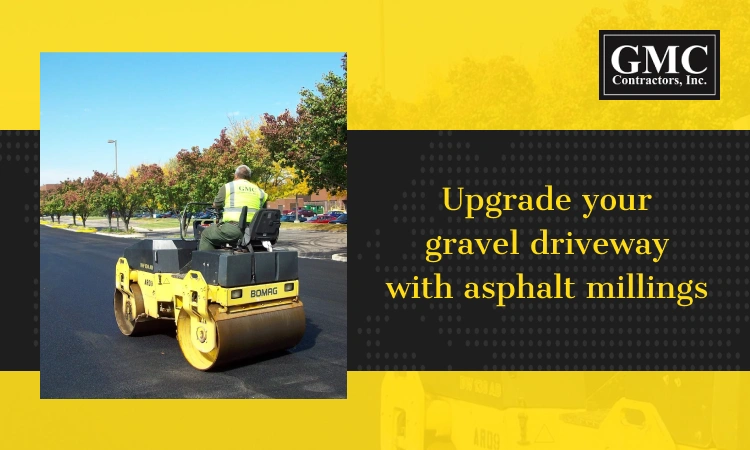
GMC Contractors provides reliable asphalt millings installation services designed to improve the durability and appearance of your property. Our team works with commercial clients to create long-lasting surfaces that handle daily traffic and changing weather conditions.
Our asphalt millings services include driveway installation, driveway grading and preparation, private road resurfacing, parking area installation, gravel-to-asphalt millings upgrades, surface leveling and compaction, and residential and commercial site work.
We proudly help property owners across Maryland, Northern Virginia, and Delaware choose practical, affordable surface solutions that deliver long-term performance and curb appeal. Our service areas include Annapolis, Edgewater, Millersville, Severna Park, Montgomery County, Howard County, Baltimore County, Frederick County, and surrounding communities.
If you want more information, reach out to us today!
FAQs
1. Why are asphalt millings better than gravel?
Asphalt millings typically provide a more stable surface, less dust, reduced maintenance, and a better appearance than gravel driveways and roads.
2. How long does an asphalt-milled driveway last?
A properly installed asphalt millings driveway can last many years with minimal maintenance, especially when compacted correctly and maintained periodically.
3. Do asphalt millings get muddy?
Asphalt millings generally produce less mud than gravel because the compacted material forms a firmer surface with better drainage.
4. Are asphalt millings environmentally friendly?
Yes. Asphalt millings are recycled asphalt materials, making them an eco-friendly option that reduces landfill waste and conserves resources.
5. Does GMC Contractors install asphalt millings driveways?
Yes. GMC Contractors provides asphalt millings, driveway installation, grading, resurfacing, and site preparation services for residential and commercial properties.