As winter approaches, commercial properties face one major challenge: keeping their parking lots safe, functional, and damage-free. Snow, ice, and freezing temperatures can turn a neglected parking lot into a costly liability. Cracks expand, potholes form, and slippery surfaces increase the risk of accidents, all of which directly affect customer experience and business operations.
With proper preparation and strategic parking lot maintenance, you can protect your pavement, extend its life, and ensure safer access for employees, tenants, and customers.
In this blog, we’ll explore the essential steps every property owner should take before winter arrives.
Why Winter Preparation Matters for Your Parking Lot
Winter weather is harsh on asphalt surfaces. Freeze–thaw cycles cause water to seep into cracks and expand into larger structural problems. Snowplows can strip surface coatings, reveal weak spots, and worsen existing damage. De-icing salts further deteriorate unprotected pavement.
Taking action before the first snowfall helps you:
- Prevent major damage by addressing cracks and weak points early
- Improve safety with smoother, slip-resistant surfaces
- Reduce long-term repair costs since prevention is cheaper than emergency fixes
- Ensure business continuity with fewer closures due to poor lot conditions
- Enhance curb appeal, making a strong first impression on customers
Winter doesn’t have to bring chaos to your asphalt surfaces; preparation is the key to performance.
1. Inspect Your Parking Lot for Structural Issues
Start with a thorough inspection of the entire parking lot. Look for:
- Cracks (alligator, linear, or spiderweb)
- Uneven surfaces
- Standing water and drainage issues
- Potholes
- Faded lines or worn markings
- Areas where the asphalt feels soft or unstable
Issues like these always worsen in winter. The earlier you identify them, the easier they are to address.
2. Repair Cracks and Potholes Before Snow Arrives
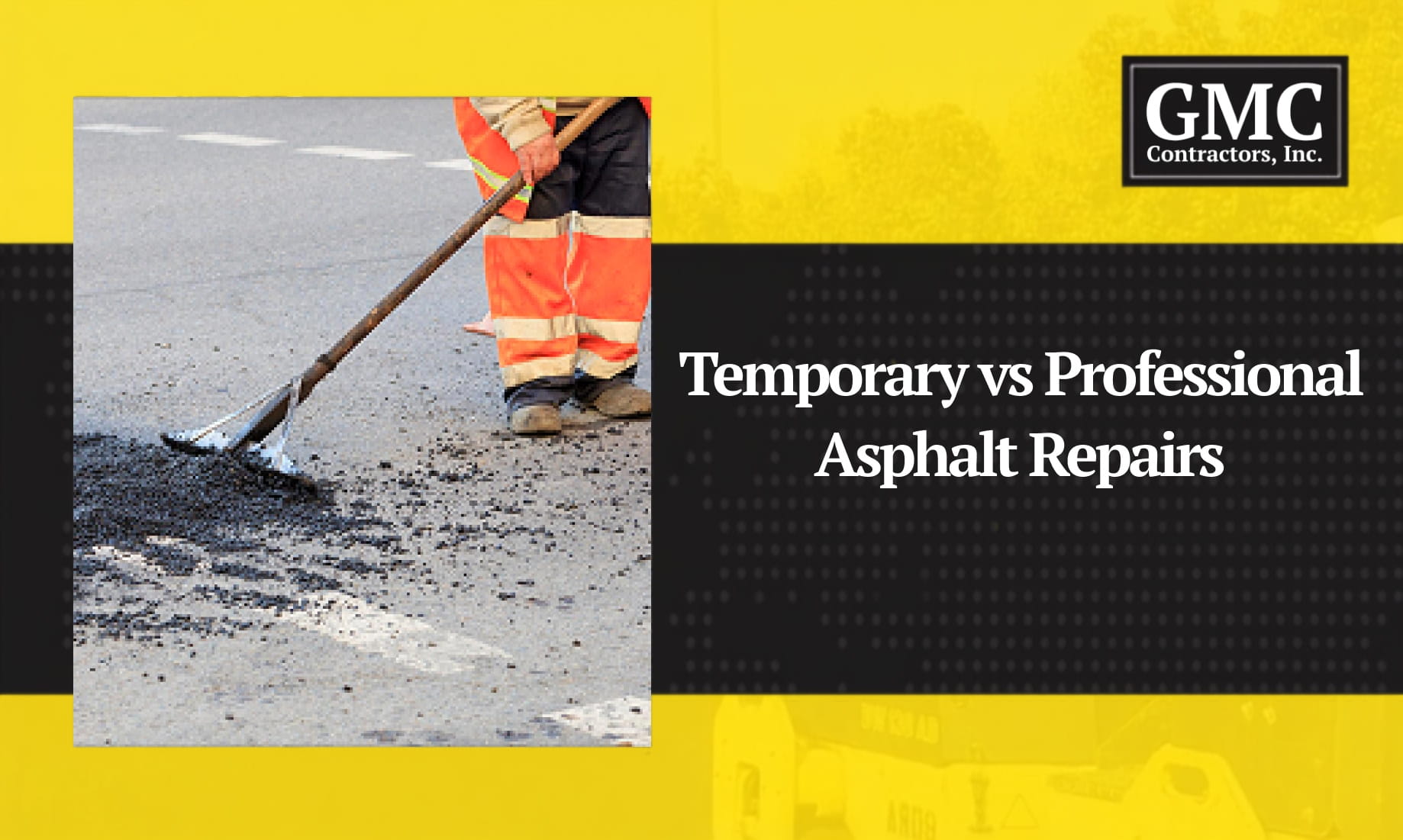
Crack filling and pothole repair are two of the most essential winter-preparation tasks.
Crack Filling
Cracks allow water to seep deeper into the pavement structure. When temperatures drop, that water freezes and expands, causing significant deterioration. Filling cracks before winter:
- Slows structural breakdown
- Prevents larger potholes
- Keeps your lot smoother and safer
Pothole Repairs
Potholes become more severe once snow arrives. Water collects in these depressions, freezes, and expands, creating even wider cavities. Repairing potholes early:
- Reduces liability risks
- Helps maintain smooth traffic flow
- Prevents expensive reconstruction later
Experienced asphalt contractors use hot or cold patching depending on weather conditions and the severity of the damage.
3. Apply Sealcoating for Extra Winter Protection
One of the smartest investments you can make before winter is parking lot sealcoating. Sealcoating adds a protective layer that shields the asphalt from:
- UV rays
- Moisture penetration
- Salt damage
- Freeze-thaw cycles
- Oxidation
It also gives your parking lot a fresh, dark, uniform appearance, enhancing curb appeal. Many property owners search for asphalt companies when sealcoating season arrives, because it requires professional application for long-lasting results.
Sealcoating before winter helps your pavement:
- Resist cracking and fading
- Suffer less damage from plows and chemicals
- Maintain a smooth, safe surface
4. Ensure Proper Drainage to Prevent Ice Build-Up
Standing water is one of the biggest threats to asphalt. When water pools on your parking lot and freezes overnight, it creates dangerous icy patches and accelerates pavement breakdown.
Check your drainage system for:
- Clogged grates
- Low spots that cause puddles
- Poorly sloped areas
- Damaged or blocked channels
Grading plays a major role in preventing water accumulation. If necessary, consult grading contractors to correct drainage issues before winter storms hit.
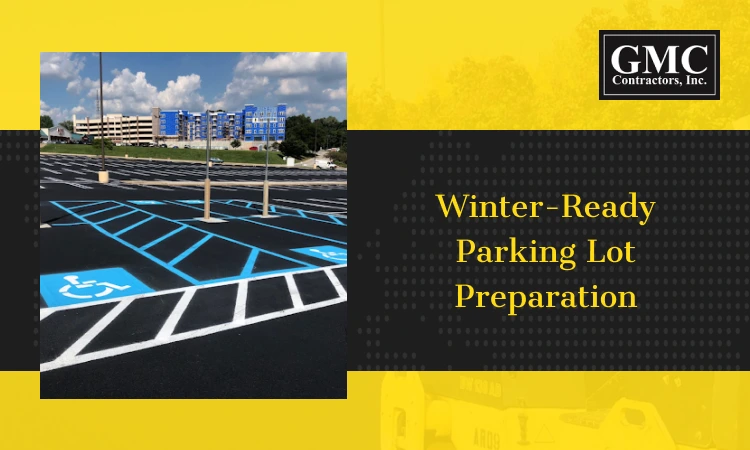
5. Refresh Line Striping and Markings
Winter visibility is limited, and faded lines make navigation difficult, especially when snow covers parts of the pavement.
Repainting your:
- Parking stalls
- ADA spaces
- Loading zones
- Fire lanes
- Directional arrows
…ensures compliance, safety, and efficient traffic flow. A clearly marked parking lot also helps snowplow drivers follow the correct paths without damaging curbs or landscaping.
6. Clean the Parking Lot Thoroughly
Before snow arrives, sweep the parking lot to remove:
- Dirt
- Leaves
- Sand
- Trash
- Debris in cracks
A clean surface ensures better adhesion for sealcoat and crack filler. It also reduces the amount of debris that snowplows push around, which can cause surface scratches or clog drains.
7. Prepare a Snow and Ice Management Plan
Being proactive is essential. A winter maintenance plan should include:
- Scheduled snow removal
- Pre-treatment with anti-icing materials
- Post-storm de-icing
- Emergency response instructions
- A designated path for plows
Coordinate with your snow removal team early to avoid delays once storms begin. Mark curbs, medians, and islands with reflective stakes to prevent accidental damage.
8. Work With a Professional Asphalt Company
When preparing your parking lot for winter, experience matters. DIY repairs or working with unqualified providers often leads to poor results and higher long-term costs.
Partnering with an experienced asphalt company offers benefits like:
- Expert evaluation of pavement condition
- High-quality asphalt materials and equipment
- Precise crack filling, patching, and sealcoating
- Proper grading and drainage solutions
- Long-lasting workmanship
Professionals understand how Maryland’s winter patterns impact asphalt and can recommend proven strategies for durability and performance.
Parking Lot Maintenance: A Smart Investment Before Winter
A neglected parking lot becomes a liability. Every crack, hole, or drainage issue becomes larger and more expensive to correct once snow and ice set in. By investing in preventative parking lot maintenance, you ensure:
- Fewer emergency repairs
- Greater safety for drivers and pedestrians
- Better business access during storms
- Higher property value and curb appeal
Winter planning is essential for longevity and safety.
Professional Parking Lot Services by GMC Contractors, Inc.
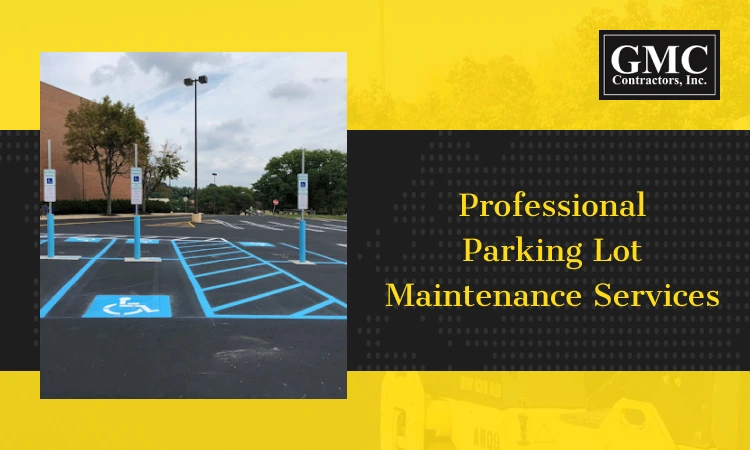
GMC Contractors, Inc. specializes in comprehensive asphalt and parking lot maintenance solutions designed to protect your pavement before, during, and after winter. From sealcoating and line striping to crack filling, drainage correction, and snow prep, we provide industry-leading service backed by decades of expertise.
We proudly serve Maryland, including Edgewater, Millersville, Annapolis, Severna Park, and surrounding areas, as well as Northern Virginia and Delaware.
If you want reliable, long-lasting parking lot protection before winter, our experts are here to help. Contact us today for a free estimate.
Frequently Asked Questions
1. When is the best time to schedule parking lot sealcoating before winter?
The ideal time is early fall when temperatures are mild. Sealcoat needs dry conditions and daytime warmth to cure properly before snow arrives.
2. Can parking lot repairs still be done in winter?
Minor cold patch repairs are possible, but major fixes should happen before winter for the best results. Cold weather limits repair options.
3. How often should a parking lot be inspected for winter readiness?
At least once a year, ideally in late summer or early fall. High-traffic areas may need additional inspections.
4. Does sealcoating help reduce damage from de-icing salt?
Yes. Sealcoating creates a protective barrier that helps prevent salt and chemicals from penetrating and weakening your asphalt.
5. What should I do if my parking lot has poor drainage?
Contact professional asphalt contractors who can regrade the surface, repair depressions, or update the drainage system to prevent ice formation and winter flooding.