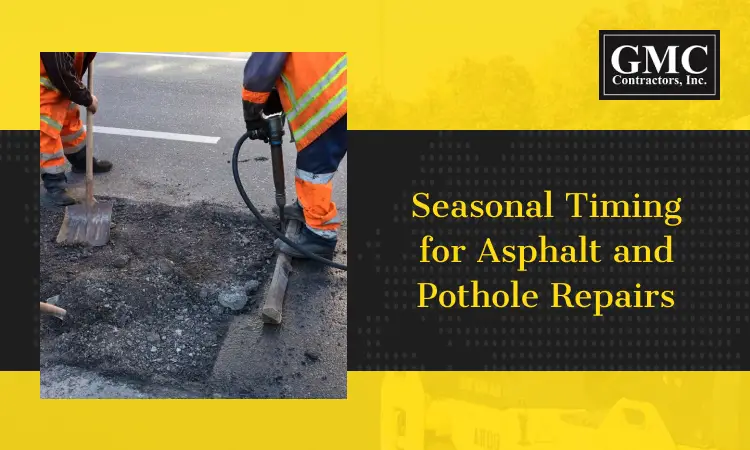
Every year, as temperatures rise and fall, roads and parking lots bear the brunt of seasonal changes. One of the most common consequences of this weather stress is the formation of potholes. These frustrating and often hazardous depressions in the pavement can damage vehicles and compromise safety.
While potholes may look like minor annoyances, they’re actually early warnings of deeper asphalt failure. How and when you handle these issues determines how long your pavement will last and how much you’ll spend over time. The timing of your asphalt patch repair plays a crucial role in ensuring a durable and long-term solution.
In this blog, we will explore why scheduling your pothole repair strategically by season can make all the difference and how proactive maintenance helps save costs and extend the life of your pavement.
Understanding Why Potholes Form
Before diving into the best repair seasons, it’s important to understand why potholes develop in the first place.
- Water Infiltration: Rain and melted snow seep through small cracks in the asphalt surface.
- Freeze-Thaw Cycle: When temperatures drop, the trapped water freezes and expands, widening the cracks.
- Surface Weakening: As the ice melts, voids remain beneath the pavement, creating air pockets.
- Traffic Pressure: The weight of vehicles compresses the weakened area, eventually causing the surface to collapse into a pothole.
This cycle repeats throughout the year, particularly in regions with fluctuating weather, such as Maryland and Northern Virginia. Over time, minor surface cracks evolve into major pavement problems that require professional pothole repair services.
Why Timing Matters in Asphalt Repair
Repairing asphalt at the right time ensures the material bonds correctly, compacts well, and lasts longer. Different seasons affect asphalt’s curing and adherence differently, which is why not all repair times are equal.
Here’s how timing impacts the asphalt patching process across the year.
Winter: Temporary Fixes to Prevent Further Damage
During the colder months, permanent pothole repair isn’t always possible due to low temperatures. Asphalt plants often close in winter, and hot mix asphalt, the most durable material for repairs, cannot be properly compacted in freezing conditions.
However, that doesn’t mean repairs should be put off. Cold mix asphalt is used as a temporary solution to keep roads and parking lots safe until more durable fixes can be applied in the spring.
- When to choose winter repair: For emergency fixes that prevent water infiltration and accidents.
- Advantages: Quick installation, immediate safety improvement.
- Limitations: Not as long-lasting as hot mix; best viewed as a stop-gap solution.
Temporary winter patching prevents damage from worsening and buys time until warmer weather allows for permanent repair work.
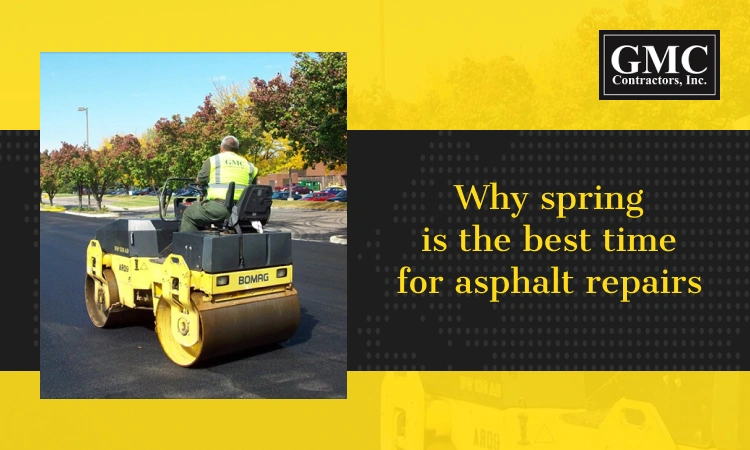
Spring: The Best Season for Long-Lasting Asphalt Repair
As temperatures rise and the ground thaws, spring becomes the ideal time for durable pothole repair. The weather is warm enough for hot mix asphalt to adhere properly, but not so hot that it softens too quickly.
Spring repairs help restore pavements after harsh winter wear and prevent cracks from expanding during the rainy months.
Why spring repairs last longer:
- The surface is dry, allowing asphalt to bond effectively.
- Hot mix asphalt can be used for permanent patching.
- Pavement structure stabilizes after winter freeze-thaw cycles.
Whether it’s parking lot pothole repair or driveway restoration, scheduling spring repairs ensures smooth, safe surfaces before summer traffic increases.
Summer: Maximum Efficiency and Performance
If there’s a perfect season for asphalt patch repair, it’s summer. Warm weather creates optimal conditions for compaction and bonding, resulting in a dense, durable surface. Asphalt crews can work faster, and the material remains pliable long enough to achieve a seamless finish.
Summer asphalt repair advantages include:
- Strong adhesion and curing for long-term durability.
- Less downtime for commercial properties.
- Ideal for large-scale pothole repair services or asphalt patching projects.
Since most parking lots and roadways experience higher usage in the summer, addressing cracks and potholes beforehand can prevent accidents and reduce liability risks.
Fall: Preventive Repairs Before Winter Returns
Fall is the transition season when property owners should shift focus from repair to prevention. Fixing minor cracks or depressions before winter hits ensures that moisture doesn’t penetrate and refreeze during colder months.
Recommended fall maintenance includes:
- Crack sealing and sealcoating.
- Targeted asphalt patch repair for worn spots.
- Checking drainage to prevent pooling water.
Fall repairs may not seem urgent, but they’re one of the best investments for preventing costly damage in winter. Think of it as preparing your pavement for hibernation.
The Cost of Delaying Asphalt Repairs
It’s tempting to put off pothole repairs until the problem seems “big enough,” but this approach almost always backfires. Even a small pothole can worsen quickly, especially with heavy vehicle traffic or fluctuating temperatures.
Consequences of delaying repairs:
- Structural deterioration: Water infiltration leads to foundation damage.
- Increased repair costs: What could have been a simple patch becomes a full-depth replacement.
- Safety hazards: Uneven surfaces create trip risks and vehicle damage.
- Safety hazards: Uneven surfaces create trip risks and vehicle damage.
Timely asphalt patching keeps repair costs low and extends pavement life, a win-win for both property owners and facility managers.
Choosing the Right Repair Method
Different types of pothole repair services are suitable for different conditions. Knowing the right method helps ensure both efficiency and durability.
1. Cold Mix Patching
Used during winter or emergency repairs, this method is quick and effective for temporary fixes. It seals the pothole and prevents further water damage until hot mix repairs can be performed.
2. Hot Mix Asphalt Patching
Best performed in the spring and summer, this method utilizes heated asphalt to create a strong, permanent patch. The result is a seamless, long-lasting surface that can withstand traffic and weather.
3. Infrared Asphalt Repair
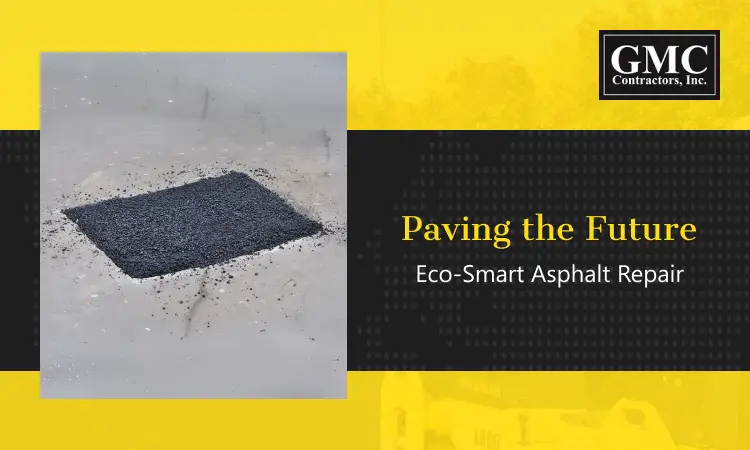
An innovative option that uses infrared heat to blend existing asphalt with new material. It’s sustainable, produces minimal waste, and leaves no visible seams.
4. Full-Depth Patching
For deeper damage or structural issues, full-depth patching involves removing and replacing the affected section. This ensures long-term performance and safety.
Seasonal Pothole Repair Benefits at a Glance
| Season | Repair Type | Key Benefit |
| Winter | Cold mix patching | Temporary safety and damage control |
| Spring | Hot mix patching | Long-term, durable repair |
| Summer | Full-scale paving | High compaction, smooth finish |
| Fall | Crack sealing | Prevents winter deterioration |
Proactive maintenance at the right time ensures your pavement remains safe, visually appealing, and cost-effective year-round.
Preventive Maintenance Tips
Beyond timely pothole repair, regular maintenance can dramatically extend your pavement’s lifespan:
- Seal cracks annually to prevent water infiltration.
- Clean and inspect drainage systems to reduce pooling.
- Schedule regular inspections before and after winter.
- Apply sealcoating every two to three years to protect the surface.
Preventive care not only delays major repairs but also improves the look and performance of your property.
Expert Asphalt Repair Services You Can Trust
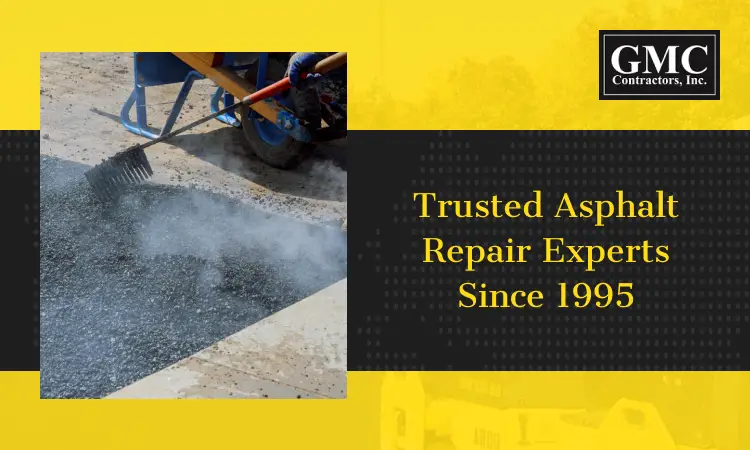
Professional pothole repair services ensure proper preparation, material selection, and compaction, all essential for durable, weather-resistant repairs.
At GMC Contractors, Inc., our experienced crew uses advanced methods and quality materials to handle everything from small parking lot pothole repair to major roadway maintenance. With decades of experience across Maryland, Northern Virginia, and Delaware, we understand how to align repair timing with seasonal conditions for optimal outcomes.
Whether it’s fixing winter damage or preparing your parking lot for spring, our team delivers results that withstand the seasons. Contact us today to schedule a service.
Frequently Asked Questions
1. Can potholes be repaired in freezing temperatures?
Yes, but only with cold mix asphalt for temporary fixes. Permanent repairs require warmer temperatures for proper bonding.
2. What’s the best time of year to repair asphalt?
Spring and summer are ideal for long-lasting hot mix repairs, while fall is perfect for preventive maintenance.
3. How long do asphalt patch repairs last?
With proper materials and installation, permanent patches can last up to 10 years, depending on traffic and weather conditions.
4. Why do repaired potholes sometimes reopen
Repaired potholes can fail if the surrounding surface isn’t prepared properly or if repairs are done during unsuitable weather.
5. Is it better to repair or resurface asphalt?
Small cracks and potholes can be repaired, but widespread damage may require resurfacing for optimal results.